National Policy for the Arabic Language in Saudi Arabia
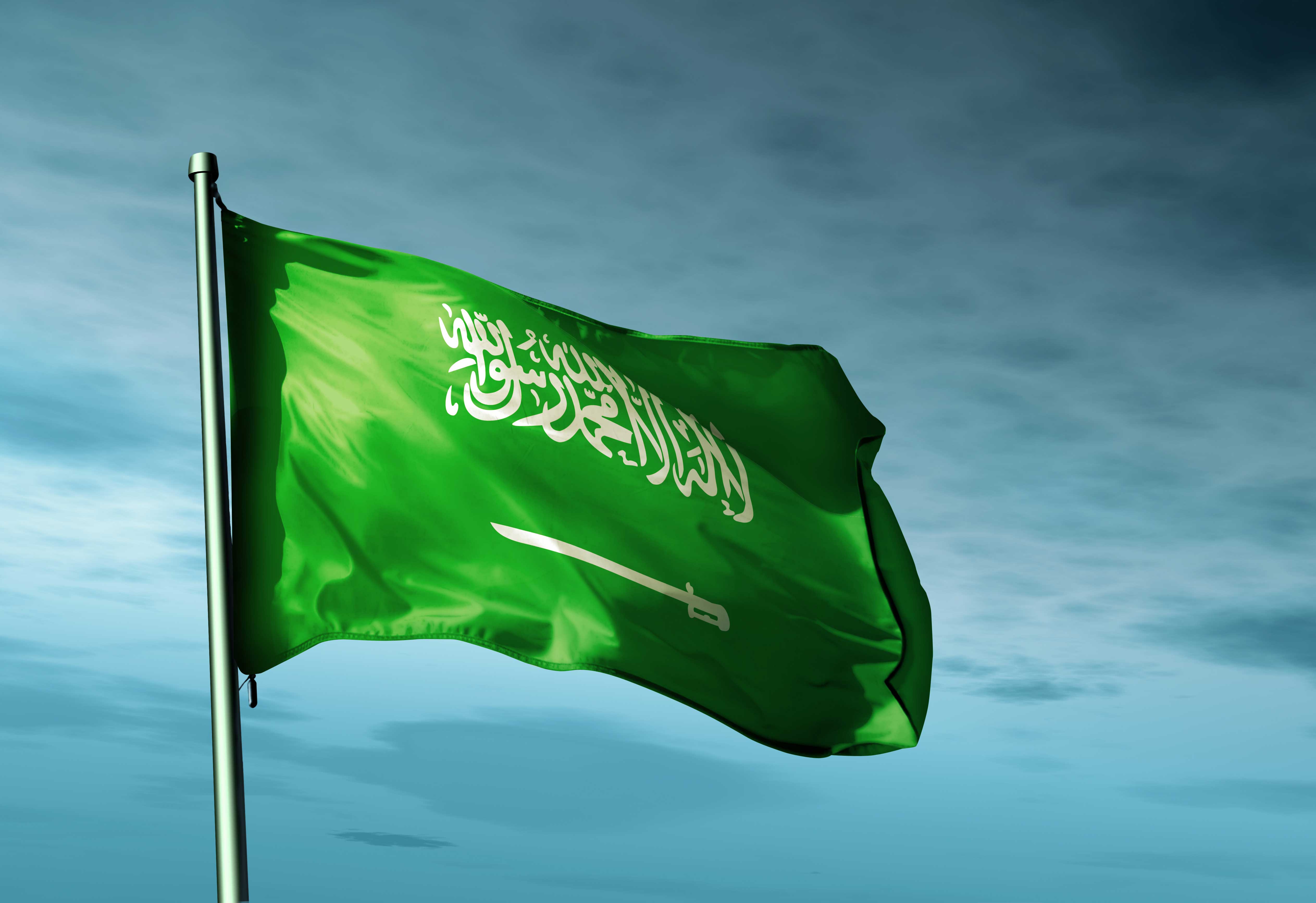
National Policy for the Arabic Language in Saudi Arabia, approved by the Saudi Council of Ministers on February 3, 2026, to entrench Arabic as an official language; regulate its presence and enhance its standing; undertake language planning for it; organize national efforts to serve it; and strengthen its use in all fields, in line with Saudi Vision 2030. It is overseen by the King Salman Global Academy for the Arabic Language, and covers the governmental, private, and non-profit sectors.
Objectives
The National Policy for the Arabic Language in the Kingdom of Saudi Arabia aims to entrench Arabic in society as a daily practice, protect the linguistic identity of future generations, and make the Arabic language an element of sovereignty, independence, and cultural security; build an informed and sustainable relationship between the citizen and their language; and enhance Saudi Arabia’s leadership in preserving the Arabic language, as the global reference in the Arabic language and the primary homeland of Arabic.
It also aims to increase the empowerment of the Arabic language and enhance its status in society, as a key component of Saudi national identity; entrench the civilizational vitality of the Arabic language and its developmental contributions; enhance its use in public bodies and in the private and non-profit sectors; increase the attractiveness of the Saudi environment for those wishing to learn Arabic and explore its culture and civilizational heritage; and enable the use of Arabic across the various areas of life.
Principles
The National Policy for the Arabic Language in Saudi Arabia has set out a number of principles for its work, including:
- Arabic is the official language of Saudi Arabia: public bodies shall work to use it in all their activities, with the possibility of using another language alongside it if the need arises.
- Enhancing the status of Arabic in education: using Arabic as the language of instruction across all stages of schooling.
- Enhancing the presence of Arabic in the linguistic landscape: public bodies, the private sector, and the non-profit sector shall use Arabic in contracts, certificates, medals, guidance and commercial signage, invoices, advertisements, place names, initiative names, conferences, and seminars.
- Enabling the presence of Arabic in scientific research: enhancing the presence of Arabic in scientific research by conducting research in language sciences and in the relationship between language and various aspects of life and society’s needs.
- Highlighting Arabic in the media: by providing media materials in Arabic or translating into it, to enable its correct use across its varieties.
- Entrenching the use of Arabic in the business sector: using it appropriately in administration, correspondence, communication, recruitment, and so on.
- Activating the presence of Arabic internationally: such as in official meetings, conferences, seminars, international forums, and meetings inside and outside Saudi Arabia.
- Enhancing the presence of Arabic in the cultural and artistic field: through the activities and work of cultural and artistic bodies.
History of interest to the Arabic language in Saudi Arabia
Interest to the Arabic language began with the proclamation of the unification of Saudi Arabia, and the issuance of the Royal Order by the Founding King Abdulaziz Bin Abdulrahman Al Saud on September 18, 1932, stipulating that the name (The Kingdom of Hejaz and Najd and its Dependencies) be changed to (The Kingdom of Saudi Arabia), so that “Arabic” would be the first descriptor of Saudi Arabia.
On January 30, 1978, a Council of Ministers decision was issued obliging foreign companies and institutions and their branches in Saudi Arabia to use the Arabic language in their correspondence with government bodies, and penalizing violators. Decisions continued in this approach to strengthen the use of Arabic in the context of work, media, judiciary, trade, and others, reaching around two hundred decisions.
The Basic Law of Governance issued in 1992 stipulates that “The Kingdom of Saudi Arabia is an Arab Islamic state, with full sovereignty; its religion is Islam, and its constitution is the Book of Allah Almighty and the Sunnah of His Messenger, may Allah’s peace and blessings be upon him. Its language is Arabic, and its capital is the city of Riyadh.”